1. Blog
  2. »
  3. How to prevent hard water corrosion

How to prevent hard water corrosion

Take the first step to Softer water

30th January 2017

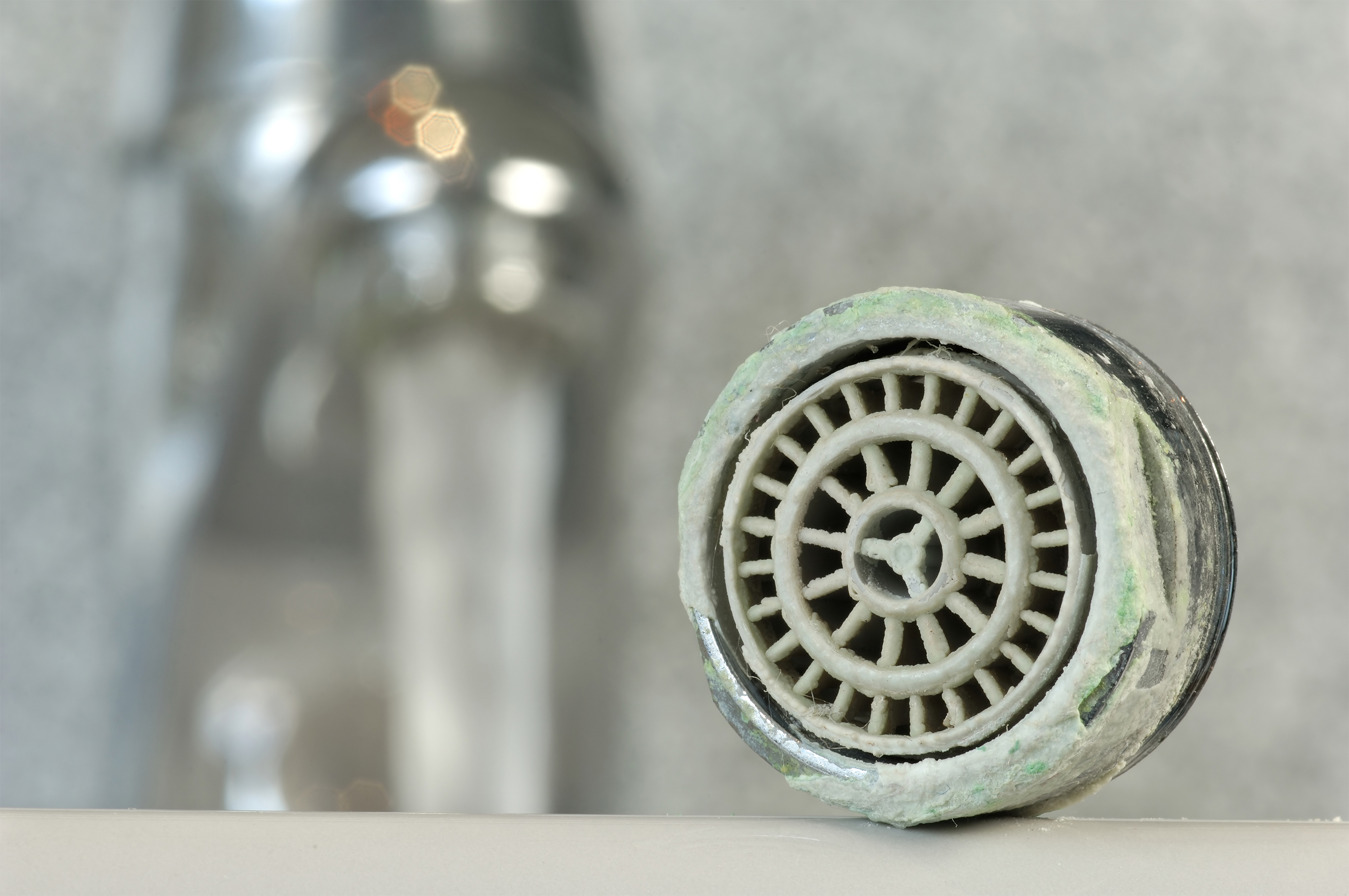
A shower head built up with hard water corrosionHard water corrosion

Whilst hard water is not itself a health concern, it can cause corrosion in water pipes and home appliances, which creates major problems and costly defects. When you have hard water, it means that your home water supply contains Calcium and Magnesium from limestone, chalk, or marble deposits. Hard water is a widespread problem experienced by numerous households; you can tell if you have hard water by indications of white stains in sinks, showers, toilets, and more.

Check out our water softeners

What is corrosion?

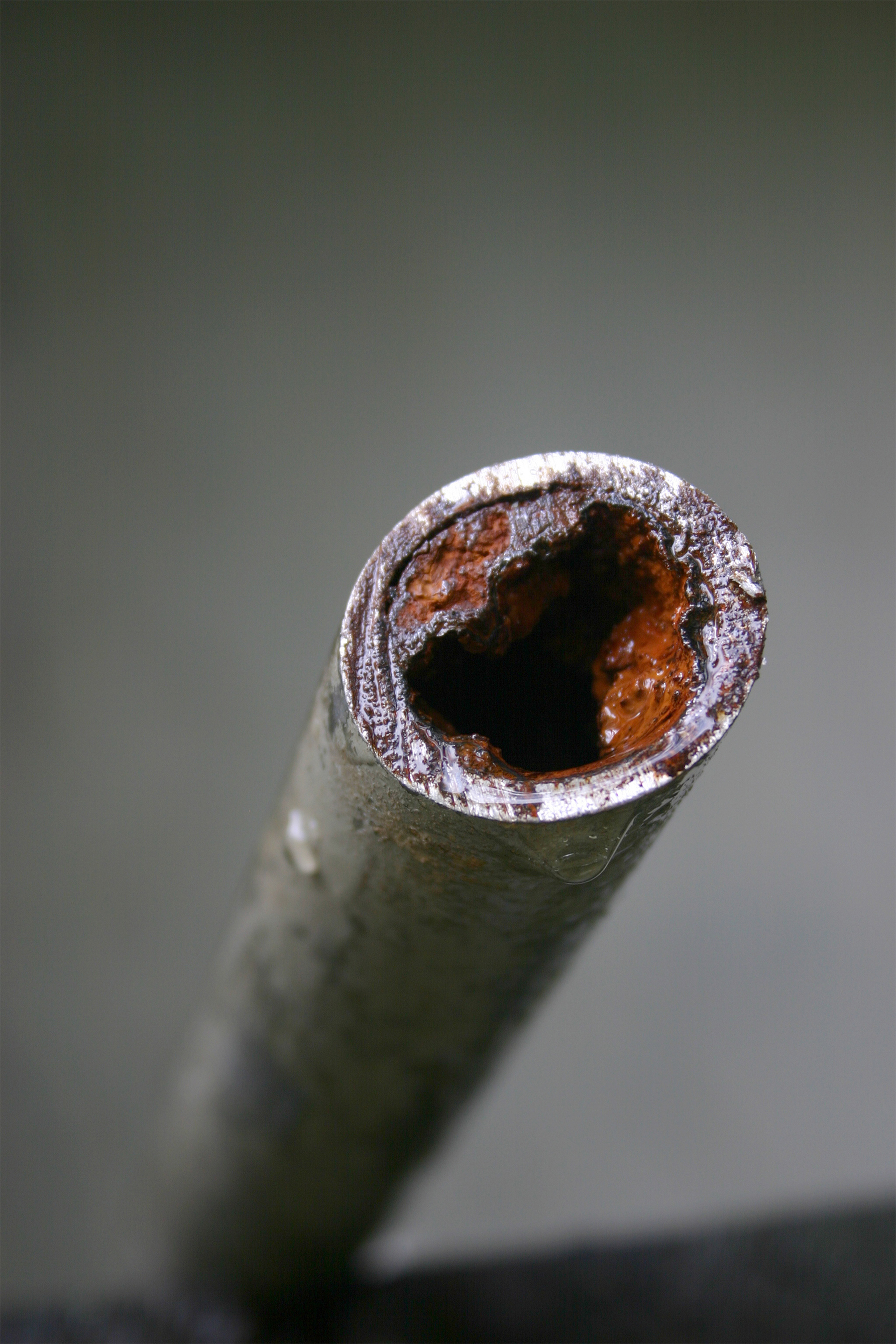
A household water pipe that has experienced hard water corrosion

This build-up, also known as limescale deposit, occurs when the hard water evaporates and leaves behind the minerals. In a process called corrosion, these hardened minerals can eat through the coating on plumbing, and rubber seals, and cause failures in the most expensive parts of your appliances, such as pumps and water heating elements, which are present in kettles, dishwashers, washing machines, and even coffee machines. The limescale deposits can also cause a build-up of deposits inside your water pipes causing blockages, a lack of pressure, and dripping taps or running toilets.  

For example, if you notice white residue stains on your dishes after you wash them in the dishwasher, you have very likely hard water. Not only is the hard water affecting your glassware and dishes, but the limescale build-up is also settling on the inside of your dishwasher. The more build-up, the more likely your dishwasher will wear down and start to corrode. The mineral deposits can damage the rubber seals and create leaking, and also create premature rusting due to the build-up. 

A number of factors will accelerate corrosion in your home due to your water quality. 

  • Acidity (low pH)
  • High mineral concentrations
  • Stray current electrolysis
  • Galvanic corrosion is caused by dissimilar metals
  • Dissolved oxygen content
  • Water temperatures

Tired of dealing with hard water corrosion in your home? See our distributors
Does hard water cause corrosion?

Residue buildup due to having hard water takes a toll on all of your home appliances that use water, such as your kettle, dishwasher, iron, washing machine, water heater, and so on. Using distilled or filtered water would be a good solution to combat hard water in smaller water using household appliances (kettles and irons), but a long-term and more convenient solution that can be applied throughout the house to all water-using devices, would be installing a water softener. A whole home water softener installation would save costs on future home appliance replacements and repair jobs. Not only would the installation of a water softener save you on appliance costs, but you would also experience other benefits of soft water – improved soap lathering, healthier skin, hair, and scalp, as well as softer laundry without having to use additional fabric softeners. These benefits are especially important if you live in a particularly hard water-affected area. 

Read more about the advantages of soft water  


Start your journey to softer water - Contact Us

What happens next?

After submitting your details, here’s what will happen next:

  • Confirmation Email: You will shortly receive an email confirming that we’ve received your message. Please check your inbox (and spam/junk folder, just in case) for this confirmation.
  • Review of Your Enquiry: Our team will carefully review the details of your enquiry to ensure we provide the most relevant information or assistance.
  • Personalised Response: One of our water treatment specialists will reach out to you as soon as possible. They’ll provide tailored advice, product recommendations, or solutions based on your specific needs.
  • Further Assistance: If needed, we might request additional details to help us better understand your situation. Our goal is to ensure you receive the best possible service.
  • Next Steps: Depending on your enquiry, this might involve scheduling a consultation, arranging a water quality test, or providing a detailed quote.

Thank you.
Your enquiry has been submitted.