8th October 2024
As winter is here, homeowners prepare for colder temperatures by sealing drafts, servicing their boilers, and layering up to stay warm. However, one important factor often overlooked during the winter months is hard water. Hard water, which contains high levels of minerals like calcium and magnesium, can cause issues around your home and body during colder weather.
In this blog, we’ll explore why hard water becomes more problematic in winter and how a water softener can help protect your home and well-being during the harshest months of the year.
Winter air is already dry, but when combined with the effects of hard water, your skin and hair can suffer significantly more. Hard water strips away the skin’s natural oils, leaving it dry and irritated. When paired with cold winter air, this effect is magnified, leading to issues like:
If you’re already dealing with dry skin and hair in winter, soft water treatment can make a significant difference by preserving moisture and promoting a healthier look and feel.
During winter, your home’s heater works overtime to keep you warm. However, hard water can significantly reduce the efficiency of these systems. The minerals in hard water build up inside water heaters, boilers, and radiators, forming limescale deposits that interfere with their function.
This leads to:
Switching to softer water ensures your heating system runs more efficiently, saving you money on energy bills during the colder months.
Hard water leaves behind unsightly limescale deposits on surfaces like taps, showerheads, and bathroom tiles. In winter, when you spend more time indoors, the buildup becomes more noticeable, and cleaning becomes a more frequent task. The mineral deposits from hard water:
Using a water softener for your home helps reduce limescale buildup, making your winter cleaning routine quicker and more effective.

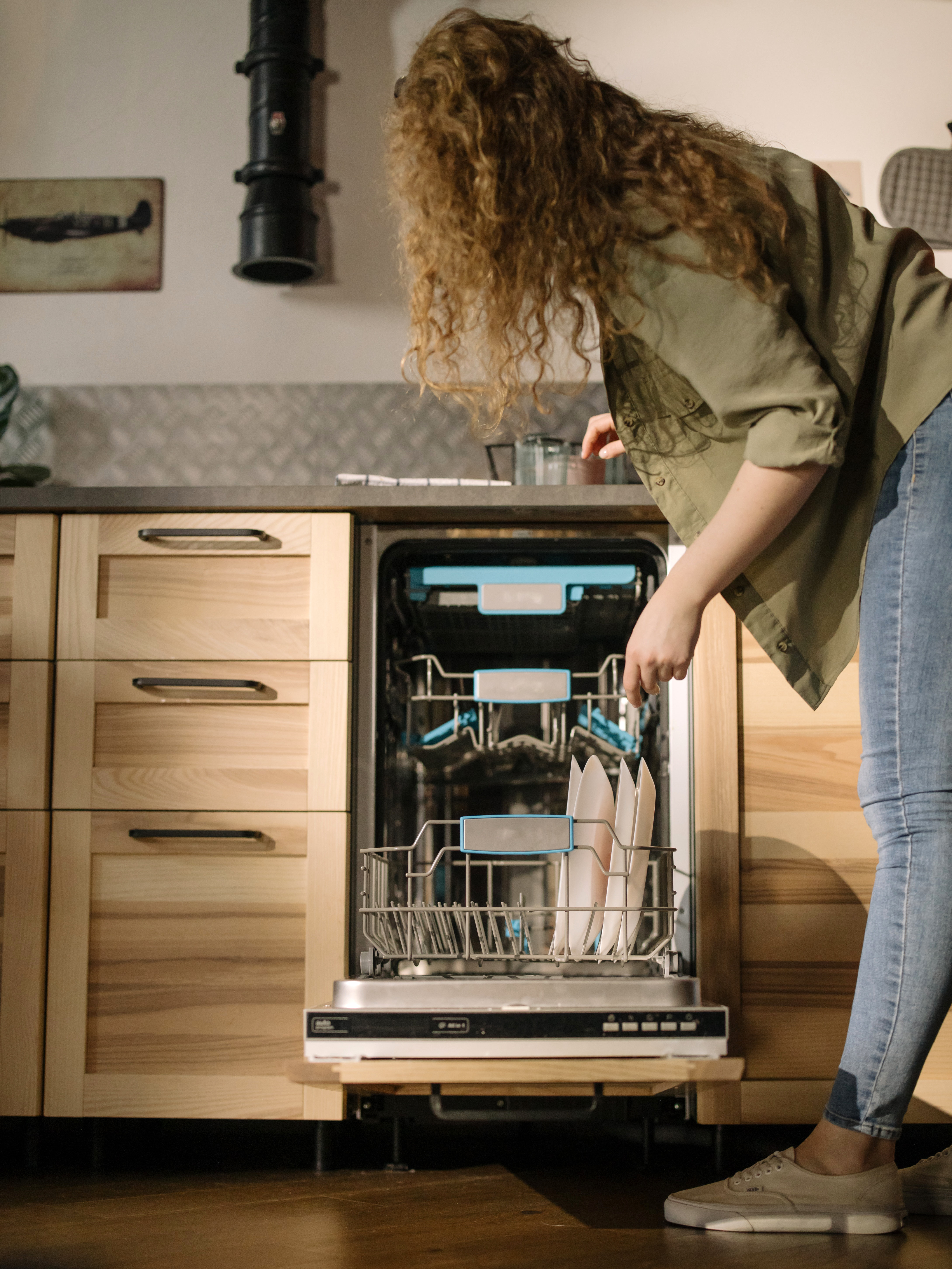
Your home’s appliances—such as dishwashers, washing machines, and coffee makers—are already under strain during winter as they’re used more frequently. Hard water exacerbates this wear by causing mineral deposits to form inside these machines, leading to:
By installing a water softener for your home, you can reduce the damage hard water causes, extending the life of your appliances and keeping them running smoothly all winter long.
In the winter, the risk of frozen or burst pipes becomes a major concern for homeowners. Hard water can make this problem worse. The minerals in hard water contribute to limescale buildup inside your pipes, restricting water flow. This constricted flow increases the likelihood of pipes freezing when temperatures drop.
When hard water freezes inside pipes:
Switching to softer water can help maintain proper water flow and reduce the risk of pipe damage, particularly during winter months.
Winter brings its own set of challenges, and hard water can make them even more difficult to manage. From dry skin and hair to costly repairs on your heating system and appliances, the effects of hard water are magnified during colder weather. Investing in a water softener for your home can significantly improve your comfort, reduce maintenance headaches, and protect your home during the winter months.
After submitting your details, here’s what will happen next: