Do I have hard water?
If you already suspect you have hard water, you probably do. Perhaps you’ve been noticing limescale on taps or appliances, white stains on dishes, or stiff laundry? Hard water is made up of rich minerals such as calcium and magnesium, and other elements including chloride, iron, and sulfates – these all play a part in the problems caused by hard water.
What are common hard water problems? 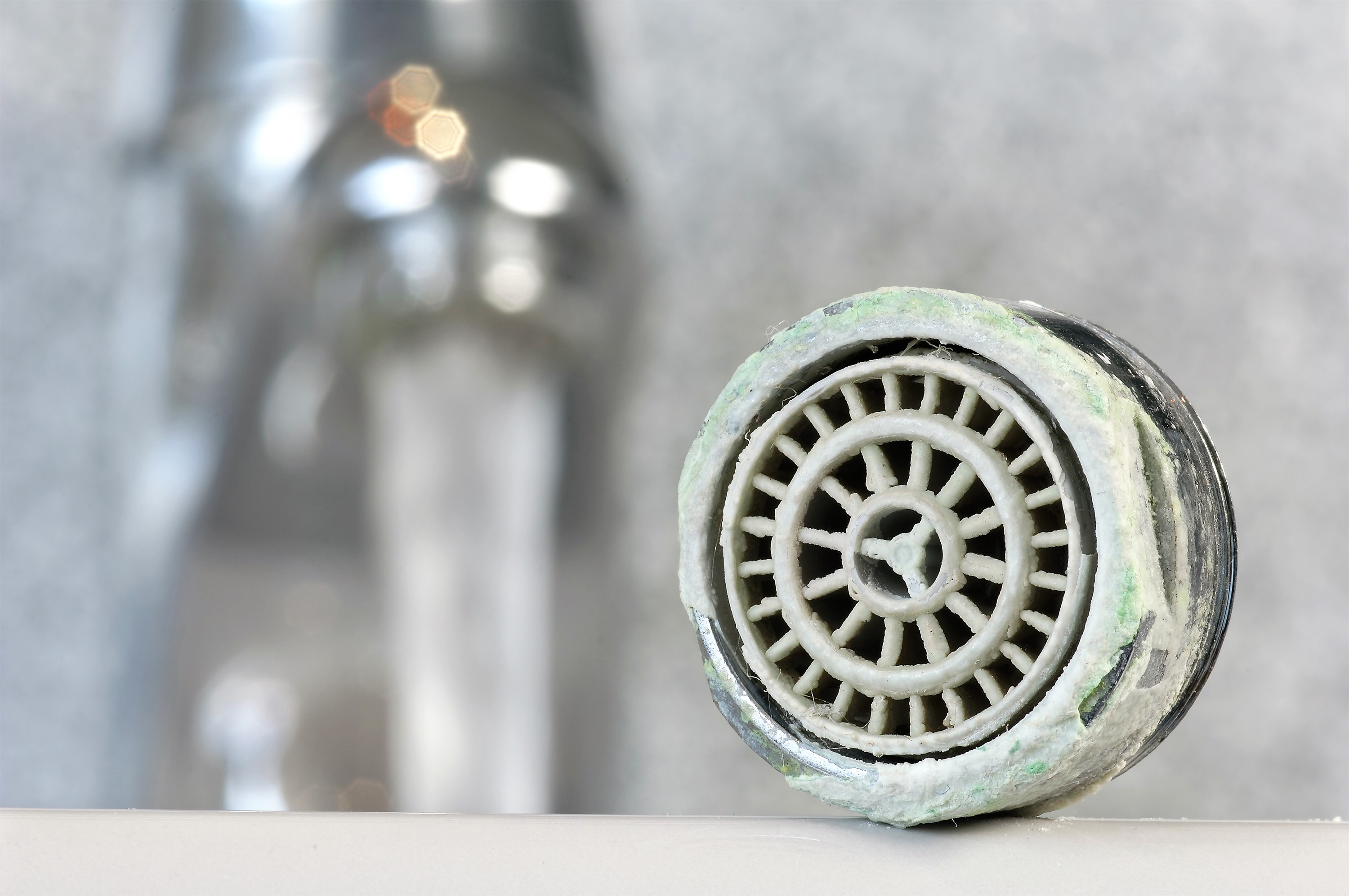
Common hard water problems range from the very visible, such as limescale on taps, to the less obvious, like a slightly odd taste in your water. If you find yourself wondering ‘Do I have hard water?’, you can use your senses to work this out – put your smell, taste, and sight to the test! Start by tasting your water; an unpleasant chlorine or metallic aftertaste in tap water is often a tell-tale sign of hard water. Another common hard water problem is a build-up of limescale – you’ll be able to spot it on your sink, washing machine, kettles, and other water using appliances. If you have hard water, you will probably also notice it in the shower; shampoo not lathering properly, dry skin, or hair feeling brittle and dry after a shower are all common signs of hard water.
Limescale build-up can occur where hard water sits and eventually evaporates, leaving a residue of minerals, calcium and magnesium. While it isn’t dangerous to your health, limescale does cause serious, costly problems in your home: it can block up the water pipes to your washing machine, clog filters and erode your appliances. While you can eliminate limescale in your kettle using vinegar, and prevent limescale build-up by rinsing out your kettle after each use and drying it thoroughly, turning your hard water into soft water is the only long-term solution. A whole-house water softening system takes calcium and magnesium out of the water, reducing build-up. A water softener also improves the taste of your beverages, getting rid of that unpleasant metallic aftertaste!